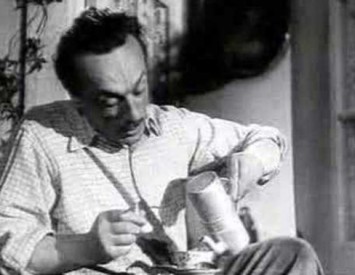
Saint Anthony


StANTHONYyyy

SAINT ANTHONY

Tony Bourdain


I came across this on Facebook and I just had to post it here. just Love …  Tony was great. i was a Big Fan, and a fan Years Before most had ever even heard of Anthony  .. I read his 1st book Bone in The Throat a few years before Kitchen Confdential came out. Of course KITCHEN CONFIDENTIAL was the book that Put Tony on The Map , and he became famous for it, as he so deserved to. So Sad that Tony is gone. May he rest in Peace. For sure he remembered and missed by his many adoring fans. God Bless … 


.

Everything You Wanted to Know About Thanksgiving Stuffing


STUFFINGg.jpg

Classic Bread Stuffing for Thanksgiving

RECIPE

INGREDIENTS :

3/4 cup (1 1/2 sticks) unsalted Butter plus more for baking dish
1 pound good-quality day-old white bread, torn into 1-inch pieces (about 10 cups)
2 1/2 cups chopped yellow onions
1 1/2 cups 1/4-inch slices celery
1/2 cup chopped flat-leaf Parsley
2 tablespoons chopped fresh Sage
1 tablespoon chopped fresh Rosemary
1 tablespoon chopped fresh Thyme
2 teaspoons kosher salt
1 teaspoon freshly ground Black Pepper
2 1/2 cups low-sodium Chicken Broth, divided
2 large Eggs

Preheat oven to 250°. Butter a 13x9x2-inch baking dish and set aside. Scatter bread in a single layer on a rimmed baking sheet. Bake, stirring occasionally, until dried out, about 1 hour. Let cool; transfer to a very large bowl.

Meanwhile, melt 3/4 cup butter in a large skillet over medium-high heat; add onions and celery. Stir often until just beginning to brown, about 10 minutes. Add to bowl with bread; stir in herbs, salt, and pepper. Drizzle in 1 1/4 cups broth and toss gently. Let cool.

Preheat oven to 350°. Whisk 1 1/4 cups broth and eggs in a small bowl. Add to bread mixture; fold gently until thoroughly combined. Transfer to prepared dish, cover with foil, and bake until an instant-read thermometer inserted into the center of dressing registers 160°, about 40 minutes.

“EVERYTHING YOU WANTED to KNOW ABOUT STUFFING”

But Was Affraid to Ask ?

THE writer Maya Angelou has lived a long life and cooked a lot of turkeys, and one thing she doesn’t mince is words.

Stuffing, she says, is really the point of the meal, isn’t it?

For Thanksgiving cooks, a perfectly bronzed turkey is a challenge, and mashed sweet potatoes are a comfort, but stuffing is a labor of love.

Whether called stuffing or dressing, made with old crusts of corn bread or French-style pain au levain, moistened with Armagnac or applesauce, this unglamorous, gloriously flavored mixture is the true taste of Thanksgiving for many Americans. A passionate attachment to one’s own family recipe, combined with a healthy suspicion of other stuffings, has become part of the holiday ritual.

“I make vats and vats of it, so there will be plenty for seconds and thirds and leftovers,” said Susan Ott, an Iowa native who will celebrate Thanksgiving this year in Cornwall, Conn. “And I hate to go to anyone else’s house for Thanksgiving, because I fear the stuffing will be weird.”

Greg Danford of Burlington, Vt., recalled that “the first time I made oyster stuffing our family matriarch said that she didn’t like food with surprises, asked me not to make it again and told me to stick to carving the turkey.”

Continue Reading

In stuffing, as in politics, one American’s tradition is another’s abomination. Ingredients like oysters, chestnuts, giblets and raisins have long been subjects of fierce debate within families. But dozens of recent interviews with American cooks of all stripes revealed a surprising consensus: although the nation may find itself politically uneasy this Thanksgiving, most people now seem to agree that bread stuffing — perhaps made with corn bread, probably with onion, possibly a little celery, sage and sausage — has become the beloved national standard.

There remain, of course, some regional and ethnic variations in stuffing (dressing in the South). Maureen Stein, who grew up in an Irish-French family in the Canadian province of New Brunswick before moving to Queens in 1958, adds boiled potatoes and sarriette, or summer savory, to her recipe. Sheila Clark of Williamsbridge in the Bronx follows the same recipe that her great-grandmother did in Yamacraw Village outside Savannah, Ga., using ground beef, red peppers, onions, apples and raisins. Some Latino families and global-leaning cooks like Orin Herskovitz of Brooklyn use spicy sausages like chorizo or merguez instead of plain pork sausage.

Southern cooks, including Ms. Angelou, are still more likely to use corn bread. Lois Deane of Fayetteville, Ark., who is 91, has followed the same thrifty habit for 70-odd years.

“All year long I put the ends of the corn bread in a plastic sack and keep it in the freezer,” she said. “Then at Thanksgiving I mix in some hoecake biscuits and use that for the stuffing.”

Ms. Angelou, an Arkansan too, recommends precisely the same ratio of corn bread to white bread as Ms. Deane — three to one — to ensure a light mixture. “I think a heavy stuffing makes the turkey feel depressed,” she said. Ms. Angelou, whose cookbook, “Hallelujah! The Welcome Table: A Lifetime of Memories With Recipes,” has recently been published by Random House, has celebrated Thanksgiving in such far-flung spots as Ghana, Italy and Egypt, but she said she has always managed to make corn bread dressing, even if a turkey to stuff it into has sometimes been unobtainable. (Her stuffing, like the others mentioned here, can be cooked inside or outside the turkey.)

Some Americans, especially New Englanders, add oysters to their stuffing, obstinately following an 18th-century British fashion. Many admitted that they had made it only once, and were then subjected to ridicule and disappointment. But those who love it defend it fiercely. Christina Liao, who lives in Los Angeles, makes a luxurious dressing, almost a bread pudding, with corn bread, heavy cream, eggs, celery, onion and a pint of oysters. “I feel strongly that they add richness and flavor,” she said. “My family is Chinese, so we love seafood.”

When I tried her recipe on my own family, the response was unanimous: fantastic, except for the oysters. But I am mindful that our own family recipe, made with great ceremony every year by my uncle Julian M. Cohen, would be greeted with horror in many households, as it includes porcini mushrooms, Cognac, raisins and fresh rosemary.

Most cooks interviewed said they are happiest and get the fewest complaints from family and friends around the table when the stuffing they make is close to the classic bread stuffing.

And for new Americans, learning to love this stuffing seems to be part of the process of assimilation. Sasha Armandpour, who grew up in an Iranian family in Laguna Niguel, Calif., said: “The first year I hosted Thanksgiving, I thought it should reflect our heritage, so I stuffed the turkey with saffron rice, apricots and almonds. Everyone hated it. They said Thanksgiving is an American holiday, not an Iranian one.”

Carleen Borsella of Park Slope, Brooklyn, whose Italian-American grandmother used to stuff the turkey with a combination of giblets, ricotta and raisins, said she now prefers the bread stuffing from “The Joy of Cooking,” having suffered through a Stove Top period of family history.

American couples often have to reconcile competing stuffings as part of the ritual of bonding for the holidays. One Minneapolis woman, who spoke on condition of anonymity to avoid family discord, said she and her husband were so attached to their mothers’ stuffing recipes that they had to alternate years at each table. “I hate my mother-in-law’s stuffing — she uses chestnuts — and when I have to go to her house, I always stop off at my mother’s on the way home,” she said. “She leaves a container of stuffing in the refrigerator for me, and I eat it in the car.”

Brooke Williams of Williamsburg, Brooklyn, whose family stuffing recipe called for pounds of pork sausage, was stumped the first time she had to feed her new husband’s relatives, who keep kosher. “I had no idea how to make stuffing without sausage or ham in it,” she said. “I had never heard of such a thing.”

Out on the stuffing fringes is a tiny minority of Americans who have tried to make Thompson’s Turkey, which calls for more than two dozen ingredients in the stuffing alone, including water chestnuts, crushed pineapple, poppy seeds, hot mustard and mace. Devised by Morton Thompson, the author of the 1954 novel “Not as a Stranger” (filmed as a medical melodrama starring Olivia de Havilland, Robert Mitchum and Frank Sinatra), the recipe runs to three single-spaced typed pages, with the stuffing ingredients helpfully divided into Bowl A, Bowl B and Bowl C.

“I got the recipe from my accountant, and I’ve made it every Thanksgiving for 25 years,” said Elizabeth Lewin of Westport, Conn. “You just can’t imagine what it’s like.”

BadAssCOOKBOOK

The BADASS COOKBOOK

SECRET RECIPES

RICH CORN BREAD DRESSING 

6 1/2 ounces butter (13 tablespoons) 6 cups crumbled corn bread 6 cups torn crusty white bread, such as a baguette 2 cups chopped onion 2 cups chopped celery 1/2 to 1 teaspoon dried sage (optional) 2 teaspoons salt Black pepper 6 eggs, beaten 1 1/2 cups heavy cream 2 cups turkey or chicken broth 2 dozen shucked small oysters, with their liquid (optional).

1. Heat oven to 400 degrees, and butter a 9-by-13-inch baking dish. Melt remaining butter. In a large bowl, combine corn bread, white bread, onion, celery, sage, salt and pepper to taste. Toss until well mixed. Add melted butter, eggs, cream and 1 1/2 cups broth. Toss in oysters, if using. Mix lightly but well; mixture should be very moist. 2. Turn mixture into prepared dish. If mixture seems dry around edges, drizzle on remaining broth. Bake 45 minutes to 1 hour, until firm and browned on top. Yield: 12 servings.

SAUSAGE STUFFING WITH SUMMER SAVORY 

2 tablespoons butter

Salt 4 medium-size russet potatoes, peeled

2 tablespoons olive oil

2 medium onions, chopped 2 large stalks celery, chopped 1 pound breakfast pork sausage meat, crumbled 2 cups cubes made from crusty white bread, such as a baguette, toasted

1 cup low-sodium or homemade chicken broth

Pepper 1 to 2 teaspoons dried summer savory.

1. Heat oven to 375 degrees, and butter a 9-by-13-inch baking dish. 2. Boil potatoes in salted water until just cooked through but still firm in center. When cool, cut into 1-inch dice. Set aside. 3. Melt remaining butter and oil together in large skillet over medium heat. Add onions and celery, and cook, stirring, until softened. Reduce heat if necessary to prevent browning. 4. Raise heat to medium-high, add sausage and cook, stirring, using a wooden spoon to break up clumps. When sausage has browned slightly add potatoes, and continue cooking until they are incorporated and slightly browned. Add bread cubes, and mix. 5. Add about half the broth, and mix. If needed, add more to soften bread cubes and to bind the stuffing together. Add salt and pepper to taste, and sprinkle with 1 teaspoon summer savory. Taste, and add more savory if desired. 6. Turn into buttered dish. If mixture seems dry, drizzle on remaining stock. Bake 30 to 40 minutes, until firm and crusty. (The stuffing is even better if mixed in advance, kept refrigerated and baked just before serving.) Yield: 10 to 12 servings.

CORN BREAD Time: 25 minutes

1 tablespoon plus 1/4 cup peanut or corn oil 1 cup coarse yellow cornmeal 1/2 cup all-purpose flour 2 tablespoons sugar 1 teaspoon baking powder 1 teaspoon baking soda 1/2 teaspoon salt 2 eggs 1 cup buttermilk.

1. Heat oven to 425 degrees. Use 1 tablespoon oil to grease 9-inch square or round pan.

2. Combine dry ingredients in one bowl, and whisk wet ingredients in another. Combine, and stir together until batter is just moistened but not smooth. Spread into pan, and bake 15 to 20 minutes, until toothpick inserted in center comes out clean. Cool on rack. Yield: 8 to 10 servings.

Big Lebowski Thanksgiving Pumpkin Pie Cheesecake

BigLebARTpulpFiction.jpg

Big Lebowski – Reservoir Dogs – Pulp Fiction Mash-Up


PumpkinCHEESECakeFACTORY.jpg

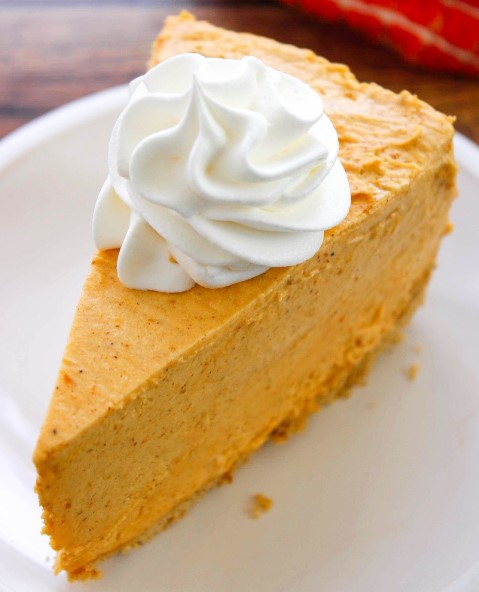
The Dude’s PUMPKIN PIE CHEESECAKE

Copied From The CHEESECAKE FACTORY


DUDE’S CHEESCAKE FACTORY PUMPKIN PIE CHEESECAKE

RECIPE :

 For the Graham Cracker Crust


30 Graham Crackers

5 Tablespoons Butter, Melted

2 Tablespoons White Sugar


 For The Cheesecake Factory Pumpkin Cheesecake


16 Ounces Cream Cheese, Softened

½ Cup White Sugar

½ Cup Brown Sugar, Packed

(1) 15 Ounce Can Pumpkin Puree

2 Teaspoons Vanilla Extract

1 Tablespoon Pumpkin Pie Spice

16 Ounces Heavy Whipping Cream

PREPARATION :

  1. Crush graham crackers using a plastic bag and a rolling pin (or a food processor if you have one).
  2. Stir in sugar, and melted butter.
  3. Grease a 9 inch cake pan or springform pan. Press graham cracker mixture into the bottom. Refrigerate for ~30 minutes or until set.
  4. In a large bowl, mix cream cheese, brown sugar, and white sugar until light and smooth.
  5. Stir in pumpkin, vanilla, and pumpkin pie spice until fully combined.
  6. Whip heavy cream until stiff peaks form. (I used an ice cold bowl/whisk, but a mixer would work as well).
  7. Fold into pumpkin cheesecake mixture.
  8. Spread evenly into graham cracker crust.
  9. Refrigerate for 2-3 hours or until set.
  10. Garnish with additional whipped cream if desired.


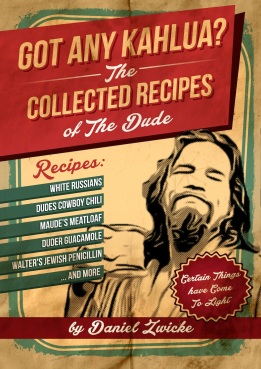
zzzzzzzzGtKAHLUA

The DUDE’S BIG LEBOWSKI COOKBOOK

GOT ANY KAHLUA ?

LOTS of GREAT RECIPES FROM THE DUDE

COWBOY CHILI

HOW to COOK The PERFECT STEAK

RECIPES for THANKSGIVING

And 365 Days a Year

TACOS / BURITOS

and More …


“HAPPY THANKSGIVING”

From The DUDE

ITALIAN AMERICAN THANKSGIVING

TURKEYnTRMMINGS

The ITALIAN-AMERICAN THANKSGIVING

Yes we have TURKEY with All The TRIMMINGS


But we First Start with ANTIPSTO


Antipasti

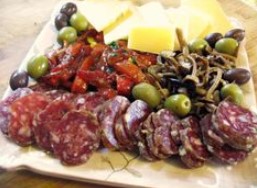
Maybe ANPASTO MISTI

Like This One with assorted Salami Olive, Peppers, and Cheese


Then, Being ITALIAN, It’s on to a PASTA COURSE

5619a-lasagnabolognese

Most Likely, a Special Treet for THANKSGIVING

LASAGNA

Or other Baked MACCHERONI


Turkeyy.jpg

The, it’s on to The TURKEY

With all its TRIMMINGS

Just like other AMERICANS


THEN ?

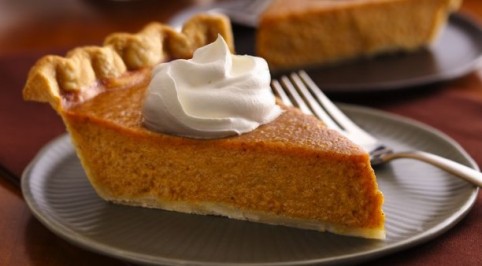
PumpkinPIE

PUMPKIN PIE

“Gotta Have Pumpkin Pie” !!!


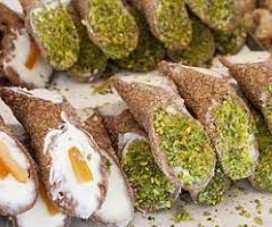
CANNOLIiii.jpg

CANNOLI

ITALIAN PASTRIES and COOKIES

And ESPRESSO


NeapolitanMACCHINETTA

An ESPRESSO

Made From Nonna’s MACCHINETTA

NAPOLETAN ESPRESSO POT


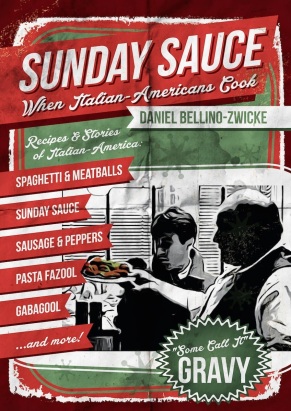
30e49-sunday-sauceebiggerx

SUNDAY SAUCE

Learn How to Make ESPRESSO at Home

LASAGNA Recipe

And an ITALIAN-AMERICA

THANKSGIVING iN NEW YORK

ALL in SUNDAY SAUCE

and More …

by DANIEL BELINO-ZWICKE


STAY TUNED, More to Come !!!

A Brief History of GREENWICH VILLAGE

EARLY SUNDAY MORNING
 
by Edward Hopper
 
7th Avenue, Greenwich Village NY


Greenwich Village is one of the world’s most famous neighborhoods, located on the southwest corner of downtown Manhattan in New York City.

Steeped in history, the village is also known as “West Village” or simply “the Village.” It has Broadway on the east, the Hudson River on the west, Houston Street on the south, and 14th Street on the north. Surrounding communities include East Village to the east and Chelsea to the north.

Originally a small farming community, the area surrounding the village was once marshland. It was referred to as “Sapokanikan” in the 16th century. The land was turned into a pasture by the Dutch settlers in the 1630s and then it came to be known as “Noortwyck.”

In 1664, the village developed as a hamlet separate from the larger downtown Manhattan when the English occupied the Dutch settlement of New Amsterdam.

It officially became a village in 1712 and was first referred to as “Grin’wich” in the records of the Common Council. As a result of recurring yellow fever in New York City in 1820s, many people fled to the healthy area of Greenwich Village and remained there. The village was converted into a military parade ground and park in 1826.

With a history spanning nearly two centuries, Greenwich Village was a mecca to Bohemians, and they played a major role in propagating new political, artistic, and cultural ideas in the area.

Since the turn of the 20th century, the Village has been a destination to famous artists, writers, entertainers, and intellectuals, such as E.E. Cummings, Eugene O’Neill, and Edgar Allan Poe.

The village also remained home for political rebels such as John Reed and Marcel Duchamp who proclaimed the founding of “The Independent Republic of Greenwich Village.” Further, the village’s role as a center for movements is remarkable.

Presently, the Village is a vibrant area, dominated by some important monuments, beautiful townhouses, multitudes of dining areas, and a wacky serpentine layout of streets.

The Federal-style row houses, Greek Revival townhouses, and quaint carriage houses, apart from the office buildings of the late 19th century and towering 20th century apartment buildings, reflect the creative and diverse population of the Village.

The heart of the neighborhood is the historic Washington Square Park, which is a hub of activities such as chess playing, skateboarding, and walking or jogging. The Village is also the seat for some of the important educational institutions in the nation, such as New York University (NYU) and New School University.

The world’s oldest gay and lesbian bookstore – Oscar Wilde Bookshop – is located here. Petrosino Square, Little Red Square, Time Landscape, Desalvio, Thompson Street, and William Passannante Ballfield are other important landmarks in the village.

Also, located here is The Cage, officially known as the West 4th Street Courts. It is one of the most important venues for the city-wide amateur basketball tournaments. In addition, the Village is the place for the renowned Halloween Parade – a mile-long parade of life-sized puppets and masqueraders that draws more than two million spectators.


Macdougal Street
 
 
Macdougal Street and Bleecker Street are two of the most famous and historical streets in all of Greenwich Village. They were the main streets that spawned such Bohemian Types as Jack Keroac of the Beat Generation known as Beatniks. Macdougal Street and Bleecker Streets and the area where they converge was the epicenter of Folk Music in Greenwich Village in the many clubs, cafes, and Coffee Houses back in the 1960s with such musical artists as Bob Dylan, Joan Baez, Maty Travers of Peter Paul & Mary, John Sebastian, John Phillips and Cass Elliot (Mamma Cass) of the Mammas & Pappas, Pete Seger, John Denver and others, and later on such notables as Jimi Hendrix at Cafe Wha, Steven Tyler and Aerosmith.


Map of GREENWICH VILLAGE


SUNDAY SAUCE is NEW YORK ITALIAN
 
 
Greenwich Village for a long time from the early 1900s to the early 1960s was primarily an Italian Neighborhood made up of immigrants of the Southern Italian enclaves of Naples and Sicily, as well as some from Genoa, Calabria, and Abruzzo. There are still a few great old Italian businesses left like; Monte’s Trattoria (Since 1918), Raffetto Pasta Co. since 1906, and PORTO RICO COFFEE owned by the Longo Family Since 1907, and CAFFE REGGIO since 1927, which features paintings from the School of CARAVAGGIO and Renaissance  Benches from a Medici Pallazzo that can actually sit in as you sip your Italian Cappuccino and listen to Classical Music in a most delightful way. This is just a little taste of the charms of Greenwich Village New York.


Native Writer of Greenwich Village


CLICK to BUY a Copy of SUNDAY SAUCE
 
 
Best Selling Greenwich Village Italian-American
Author Daniel Bellino-Zwicke
.
.
c16fa-bookinggcom
Looking for a Hotel Room 
In Greenwich Village , New York
And Worldwide


.


Mick Jagger Keith Richards Wrote Midnight in Positano Summer 1966

Daniel Bellino's avatarPOSITANO

aabbbPOSITANOo.jpg

Positano

Before it served as the setting to for Romantic Comedies, like the 1994 film Only You and 2003’s Under the Tuscan Sun, or was home to singer-songwriter Shawn Phillips in the ’70s, or the place where The Rolling Stones’ Mick Jagger and Keith Richards wrote “Midnight Rambler,” or it became the must-visit destination frequented by some of today’s most paparazzi-stalked celebrities like; Beyonce and Jay-Z, George and Amal Clooney, and Julia Roberts, Positano was, simply, the little cliffside fishing village embedded into the hills of Campania, Italy.

Situated on the Amalfi Coast, the “vertical town” enjoys everything a vacationer could ever hope for: immediate access to the glittering waters of the Salerno Gulf, boutique- and cafe-lined streets, and Beaches—so many beaches. And when Jayne Mansfield and her family stopped by the idyllic village in the ’60s, she took full advantage of the latter in a playful two-piece. For your…

View original post 503 more words

Chicken Savoy at The Belmont Tavern

ChickenSAVOYbelmontTavernNEWARKnj.jpg

The BELMONT TAVERN

Home  of CHICKEN SAVOY


Nearly every luminary with a photo on the Belmont Tavern’s walls—”98 percent,” resident raconteur Jimmy Cuomo will tell you—has actually eaten at the Belmont Tavern.

Step in off Belleville, New Jersey’s busy Bloomfield Avenue, do a spin, and you’ll meet them all, loosely grouped on the wood-paneled walls in plain black frames. Legendary songstress Connie Francis, a local girl. Jocks, like former Giants running back Tiki Barber and Knicks legend Ernie Grunfeld. Hollywood wise guys like Joe Piscopo and Frank Vincent. Clint Eastwood, who directed the film adaptation of the Jersey Boys jukebox musical set in the neighborhood, is a fan; he was in for a meal in 2013, popping hot peppers like they were jelly beans. Frankie Valli, the OG Jersey Boy, is one, too.

There are two begrudging exceptions to Cuomo’s 98 percent: Joe Torre, since the skipper’s son eats there, and Pope John Paul II. Cuomo has actually lobbied to revoke His Holiness’ dinner dispensation (“The Pope can come down!”), but his waitresses won’t let him.

The Belmont, which has been in Cuomo’s family for decades, has long had a knack for luring in a certain class of notable, especially those with Jersey roots. Spend enough time at the bar, nursing a longneck and staring at the Deer Hunter American flag obscuring the marbled mirror backsplash, and you’ll hear Cuomo, holding court in his Belmont polo, slip into stories, yarns thick with surnames like Pesci, Roselli, and  Gandolfini.


BelmontTAVeJoeDi

Stretch with The “YANKEE CLIPPER”

JOLTIN JOE DiMAGGIO


But celebrity customers are just one part of the Belmont’s repute. A far greater part is evidenced by a sign visible from the sidewalk: Stretch’s Chicken Savoy. There are plenty of dishes available on the Italian-American menu, but this is the one people come for, from near and far. It’s a simple dish: Cut-up chicken rubbed down with a fat handful of garlic, hard cheese, and herbs, then roasted in a screaming-hot oven and splashed with vinegar, which sends aromas of schmaltz and spice right up to your nose.

It’s now a dish found all over—but only in—northern New Jersey, and as with most hyper-regional foods, its devotees are as idiosyncratic as its birthplace.

The Belmont Tavern is actually two distinct businesses, working together on the strength of what locals whimsically refer to as a “Belleville contract”—a handshake. Cuomo’s family took over the tavern portion of the operation, separate from the dining room, in 1965. Two years later, his father and uncle brought in Charles “Stretch” Verdicchio, a butcher-turned-chef with a nice touch on the line, a head of hair like Dean Martin and a knack for making friends.

Two of the largest photos on display at the Belmont feature Stretch. In one, he’s proudly hoisting up a lobster with claws the size of Pomeranians. The other is him mugging for the camera, a bit of balled-up linen clasped in his hands, next to none other than Joe DiMaggio. (“Stretch—never did find out what was under the napkin,” reads a scribble from the Yankee Clipper.)

Despite his seemingly high profile, nailing down solid information on Stretch is about as easy as nailing down solid information on D.B. Cooper. Even people who knew him, like Cuomo, or his son-in-law Norb Wroblewski, speak about Stretch in vague terms. He learned the trade from his dad and cooked out around the Hoover Dam as part of a New Deal job placement—they think. Back when the Belmont was big on live music, he’d pop out of the kitchen and sing a tune or two with the performers, they say. Neither seems exactly sure of where his nickname came from. (Best we could muster: He was lanky.)

And yet Stretch, who passed away in 1989, is still a big part of the Belmont’s personality, with enough name recognition to tout his best-known dish in the window out front. Over the years, it’s helped the restaurant back away from its unflattering reputation as a gruff goodfellas hangout and refocus its marketing. “Our perception now is not that it’s a wise guy joint,” says Wroblewski, not the only Belmont associate to swiftly shift subjects when Sopranos-style chatter arises. “It’s that it’s a good place to eat.”

Like at many places up here, the staff still seems to maintain a bit of a wink-and-nod relationship with the mob mentality. 

“It’s not an unusual dish,” says Wroblewski, a former accountant and Army Reserve pilot married to Annette. “It’s not difficult to make. We just don’t tell anyone how we do it.”


ChickenSAVOYbelmontYAVERN

CHICKEN SAVOY


INGREDIENTS


1 Chicken (about 3 lbs.)  cut in 8 pieces

Kosher salt and pepepr

4 cloves garlic – minced

1 tbsp dried oregano

1 tsp dried thyme

1/3 cup grated romano cheese

3 tbsp olive oil

1 cup red wine vinegar


PREPARATION


Salt and pepper chicken pieces and saute in 1 tbsp oil in a large oven proof skillet till skin is golden brown. Using a mortar and pestle or a small food processor make a paste of the next 5 ingredients and spread evenly over the skin of the chicken. Transfer skillet to a 500 degree oven and bake 20-30- minutes until done. Remove from oven – pour off the fat and add 1 cup of red wine vinegar to the pan. Spoon sauce over the chicken. Serve chicken with the vinegar sauce.


BelmontTavernNEWARK

da BOYS

Hangin at The BELMONT TAVERN

BELLVILLE New Jersey


In recent years, Wroblewski, along with his Ecuadorian-born chef Leo Lukar, has overseen the kitchen at the Belmont—”a little Polish kid that’s cooking Italian,” as he puts it. This has involved plenty of Chicken Savoy preparation. And he’s right that it’s simple, at least from an observer’s standpoint. Pieces of bone-in dark meat chicken relax in rectangular pans, dusted in an unassuming blend of cheese, herbs, and spices. The bird slides into a hot oven, where the skin roasts to a swoon-inducing crisp. It bakes a little longer than you’d think.

At some point after the pans are pulled, they get doused down with a generous squeeze of red wine vinegar, which sizzles and caramelizes and clings to the meat like a second skin. Fans will tell you this is the key ingredient. “It’s the vinegar that just romances you,” says Ron Silver, a Chicken Savoy enthusiast who visits the Belmont (and its many competitors) specifically for the dish.

If there are other steps to the recipe, the Belmont isn’t tipping its hand. The bewitching result: a juicy, garlicky, giddy, tangy paesano adobo that doesn’t need any condiments or accompaniments to outshine everything else splayed out across the red-and-white checkered tablecloths. It’s easily the most-ordered plate at the Belmont, so much so that Wroblewski begins baking orders well before dinner customers even begin showing up. He knows it’s going to go, and it always does.

Savoy, which has been on the menu since Stretch’s first days at the Belmont, has cultivated some serious local notoriety over the decades—partly because it’s good, partly because it’s popular, and partly because it seems simple enough for anyone to snag and stick on their menu. True success isn’t that easy, but that hasn’t stopped people from trying.


Sunday-SauceeBIGGERx

GREAT ITALIAN RECIPES

SUNDAY SAUCE